Fintech
WhatsApp and Financial Services in South Africa: 90% Penetration Means Something
2024-09-10
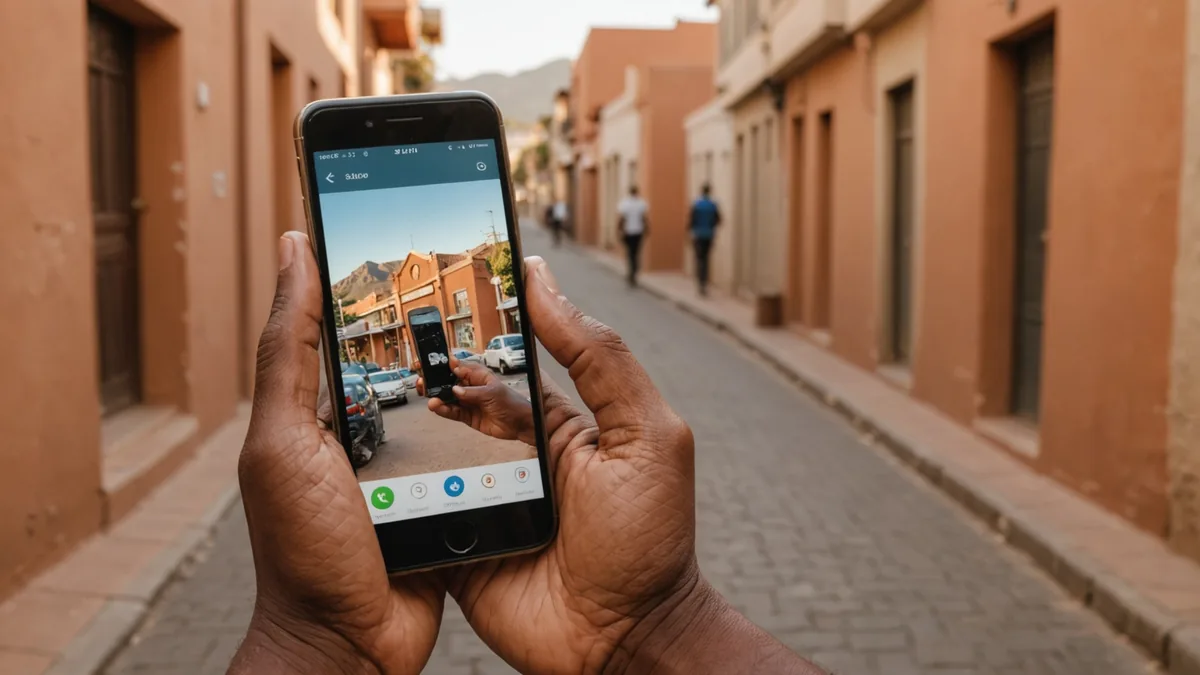
South Africa has one of the highest WhatsApp penetration rates in the world. Approximately 90% of smartphone users in South Africa have WhatsApp installed. For a fintech product, that is not just a communications insight. It is a distribution opportunity that most traditional financial services companies have not figured out how to use.
The Penetration Numbers in Context
South Africa's mobile penetration is around 100%, but smartphone penetration sits at approximately 62% of the adult population. Of those smartphone users, the WhatsApp figure consistently emerges above 90% in survey data from Stats SA and private research firms. For comparison, email open rates for financial services communications in South Africa average around 18 to 22%. WhatsApp message open rates exceed 95%.
This is not subtle. A fintech that communicates primarily via email is reaching a fraction of its potential audience. Small fraction. A fintech that communicates via WhatsApp reaches nearly all of it.
How Financial Messaging Works on WhatsApp
WhatsApp Business API allows registered businesses to send template messages to users who have opted in. The templates must be pre-approved by Meta and must serve a transactional or utility purpose, not marketing. Financial services use cases, payment confirmations, account alerts, repayment reminders, authentication codes, all qualify under the utility template category.
For Float, WhatsApp messaging serves several functions. DebiCheck mandate authentication notifications, instalment plan confirmation, upcoming collection reminders (48 hours before debit), and failed payment alerts all go via WhatsApp to users who have opted in. Our data shows open rates for these messages above 92%, compared to 34% for the same messages via email.
Fact: open rate difference between WhatsApp and email for payment reminder messages in the Float beta was 92% vs 34%. That gap directly translates to fewer missed payments.
South African Fintech Adoption of WhatsApp
The local fintech sector has been exploring WhatsApp as a financial channel since around 2019. Capitec's chatbot, Standard Bank's WhatsApp banking service, and a range of insurance and investment products have tested the channel. The results are consistently positive for customer engagement. Retention and activation rates for users on WhatsApp flows are measurably higher than for equivalent email or SMS flows.
The reasons are intuitive. South Africans use WhatsApp constantly. A message from their bank or financial app arriving in the same app where they talk to family and colleagues benefits from ambient attention in a way that a banking email does not. In our experience, the casualness of WhatsApp actually helps with financial communications, because it reduces the formal-document anxiety that many people associate with bank correspondence.
The Regulatory Dimension
Using WhatsApp for financial communications requires POPIA-compliant consent. Users must explicitly opt in to receiving WhatsApp messages from Float, understand what categories of message they will receive, and have a clear mechanism to opt out. This is not optional. We do not treat it as optional. Ever.
The FSCA has not issued specific guidance on WhatsApp as a financial channel, but the general principles of the Financial Advisory and Intermediary Services Act (FAIS) apply: communications must be clear, accurate, and not misleading. WhatsApp templates are actually well-suited to this because their pre-approval structure prevents off-script marketing from creeping into transactional messages.
Data Localisation Considerations
WhatsApp messages are processed through Meta's global infrastructure. For a South African fintech subject to POPIA, this raises a cross-border data transfer question. POPIA permits cross-border transfers where the recipient is subject to a law that provides adequate protection, or where the data subject has consented.
In practice, the major South African fintechs using WhatsApp have addressed this through explicit consent flows that describe data routing. The industry position is that transactional message metadata, not full financial records, is what WhatsApp processes. The actual financial data remains in South African infrastructure. This distinction is important and we maintain it carefully.
What Comes Next for WhatsApp Finance in South Africa
Several South African fintechs are experimenting with conversational banking on WhatsApp: the ability to check balances, initiate payments, and get support via chat rather than app navigation. Float's near-term roadmap includes a WhatsApp flow for plan status checks and early repayment requests.
The longer-term potential is real. A WhatsApp-first experience for users who prefer messaging over app navigation. Not everyone wants to download and navigate a fintech app. For the segment of South African credit card holders who are comfortable with WhatsApp but not enthusiastic about fintech apps, a well-designed WhatsApp channel dramatically expands the addressable market.
Learn more about Float's approach to financial accessibility or join the waitlist to access Float via WhatsApp when it launches.